Navigating New Construction: A Step-by-Step Guide
- Ryan Hall
- Jul 8, 2025
- 4 min read

Building a new home can be one of the most exciting yet daunting experiences in life. The thrill of designing your dream space, choosing the perfect layout, and selecting finishes is exhilarating. However, the process can also be overwhelming. With so many decisions to make and steps to follow, it is easy to feel lost. This guide will help you navigate the journey of new construction, providing you with a clear roadmap to follow.
Understanding Your Needs
Before you dive into the construction process, take a moment to reflect on your needs. What do you want in your new home? Consider the following:
Size: How many bedrooms and bathrooms do you need?
Style: What architectural style appeals to you? Modern, traditional, or something else?
Functionality: Do you need a home office, a playroom, or a large kitchen for entertaining?
By identifying your needs early on, you can make informed decisions throughout the process.
Setting a Budget
Once you have a clear idea of what you want, it is time to set a budget. This step is crucial, as it will guide your decisions moving forward. Here are some tips for creating a realistic budget:
Research Costs: Look into the average costs of construction in your area. This includes materials, labor, and permits.
Include Extras: Don’t forget to budget for landscaping, furniture, and other finishing touches.
Contingency Fund: Set aside 10-15% of your budget for unexpected expenses. This will help you avoid financial stress later on.
Finding the Right Location
Location is key when it comes to new construction. Consider the following factors:
Proximity to Work: How far are you willing to commute?
School Districts: If you have children, research the quality of local schools.
Amenities: Look for nearby parks, shopping centers, and recreational facilities.
Once you have a list of potential locations, visit them to get a feel for the neighborhood.
Choosing a Builder
Selecting the right builder is one of the most important decisions you will make. Here are some tips to help you choose wisely:
Research: Look for builders with a good reputation. Read reviews and ask for recommendations from friends or family.
Interview: Meet with potential builders to discuss your project. Ask about their experience, timelines, and processes.
Check References: Don’t hesitate to ask for references from past clients. This will give you insight into their work quality and reliability.
Designing Your Home
Now comes the fun part: designing your home. Work closely with your builder or an architect to create a design that meets your needs. Consider the following:
Floor Plan: Think about how you want the space to flow. Open-concept designs are popular, but traditional layouts have their charm too.
Energy Efficiency: Incorporate energy-efficient features, such as solar panels or high-quality insulation. This can save you money in the long run.
Personal Touches: Don’t forget to add personal touches that reflect your style. This could be unique light fixtures, custom cabinetry, or a beautiful backsplash.
Permits and Regulations
Before construction can begin, you will need to obtain the necessary permits. This process can vary by location, so be sure to check local regulations. Here are some common permits you may need:
Building Permit: Required for most construction projects.
Zoning Permit: Ensures your project complies with local zoning laws.
Environmental Permits: Necessary if your construction affects local wildlife or ecosystems.
Working with your builder can help streamline this process.
Construction Phase
Once all permits are in place, construction can begin. This phase can be both exciting and stressful. Here are some tips to help you stay organized:
Regular Check-Ins: Schedule regular meetings with your builder to discuss progress and address any concerns.
Stay Flexible: Be prepared for delays or changes. Weather, supply chain issues, and other factors can impact timelines.
Document Everything: Keep a record of all communications, contracts, and changes. This will help you stay on track and resolve any disputes.
Final Walkthrough
As construction nears completion, it is time for a final walkthrough. This is your opportunity to inspect the work and ensure everything meets your expectations. Here are some things to check:
Quality of Work: Look for any imperfections or unfinished areas.
Functionality: Test all appliances, fixtures, and systems to ensure they work properly.
Cleanliness: Ensure the site is clean and ready for you to move in.
If you notice any issues, discuss them with your builder before finalizing the project.
Moving In
Congratulations! You are now ready to move into your new home. Here are some tips to make the transition smoother:
Plan Your Move: Create a moving checklist to stay organized. This should include packing, hiring movers, and setting up utilities.
Change of Address: Don’t forget to update your address with the post office, banks, and other important institutions.
Settle In: Take your time unpacking and arranging your new space. Enjoy the process of making it your own.
Enjoying Your New Home
Now that you are settled in, it is time to enjoy your new home. Host a housewarming party, explore your new neighborhood, and make memories in your beautiful space.
Building a new home is a journey filled with challenges and triumphs. By following this step-by-step guide, you can navigate the process with confidence. Remember to stay organized, communicate openly with your builder, and most importantly, enjoy the experience.
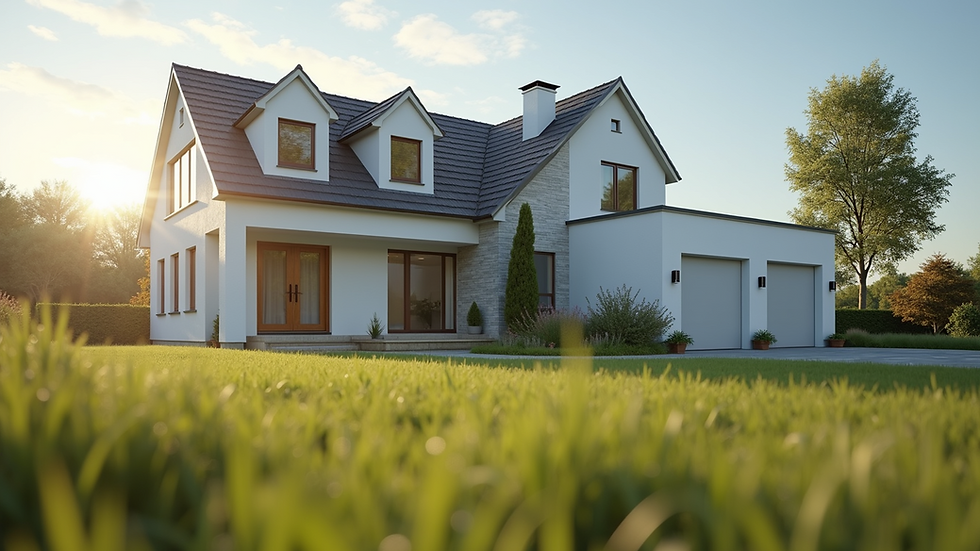
As you embark on this exciting adventure, keep in mind that every step you take brings you closer to your dream home. Embrace the journey, and soon enough, you will be living in a space that reflects your style and meets your needs. Happy building!
Comments